
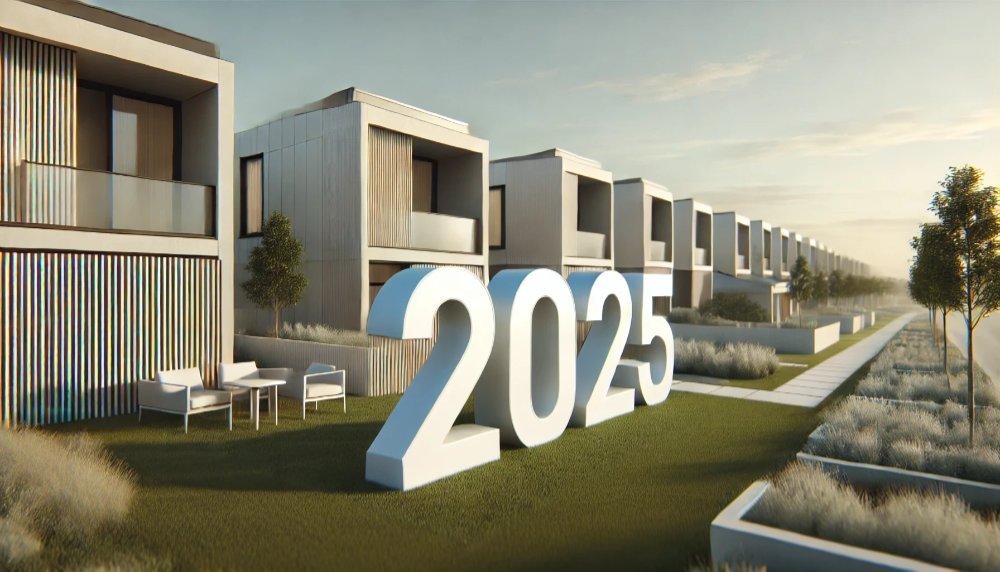
The world of design, photography, and 3D architecture is constantly evolving, driven by technological advancements and shifts in market preferences. In 2025, new design, photography, and 3D architecture trends are redefining how brands and professionals create and present visual content. Below, we explore the most impactful innovations shaping these fields.
1. Extended reality (XR) in 3D visualization
The combination of augmented reality (AR) and virtual reality (VR) is taking 3D architecture to the next level. In 2025, the ability to explore designs in immersive environments will be key for real estate presentations and interior design projects.
Impact:
- Interactive experiences allowing clients to “walk” through a project before construction begins.
- Increased design efficiency through early detection of structural issues.
2. Artificial intelligence in design and branding
AI is revolutionizing the creation of visual identities, from logos to automated web designs. Advanced platforms can generate visual content based on data and user trends, optimizing time and results.
Key applications:
- Automatic generation of color palettes and personalized brand styles.
- AI-driven logo and visual element creation for branding.
3. Computational photography and enhanced HDR
Modern cameras integrate computational photography algorithms to capture images with greater dynamic range and detail quality. In 2025, this technology is leveraged to provide ultra-realistic images in branding and architecture.
Benefits:
- Product and space photography with unprecedented levels of detail.
- Greater realism in architectural and commercial representations.
4. Minimalism with textures and natural materials
Visual design is shifting towards minimalism enriched with realistic textures. A combination of neutral colors, natural materials, and simple yet sophisticated designs will define trends in branding, architectural renders, and commercial photography.
Application examples:
- Interior designs combining technology and organic elements.
- Branding that incorporates organic textures in print and digital media.
5. Cinematic videos and architectural renders
Moving content continues to gain prominence. In 2025, architectural renders and promotional videos will use cinematic effects such as dynamic lighting, depth of field, and smooth animations for a visually striking experience.
Trending techniques:
- Motion graphics for digital branding.
- 3D animations in project and product presentations.
The trends in design, photography, and 3D architecture for 2025 reflect a fusion of advanced technology and natural elements. Artificial intelligence, extended reality, and computational photography are redefining visual creation, offering immersive experiences and more impactful content. Staying up to date with these innovations is essential to stand out in an increasingly visual and competitive market.


 EN
 ES
